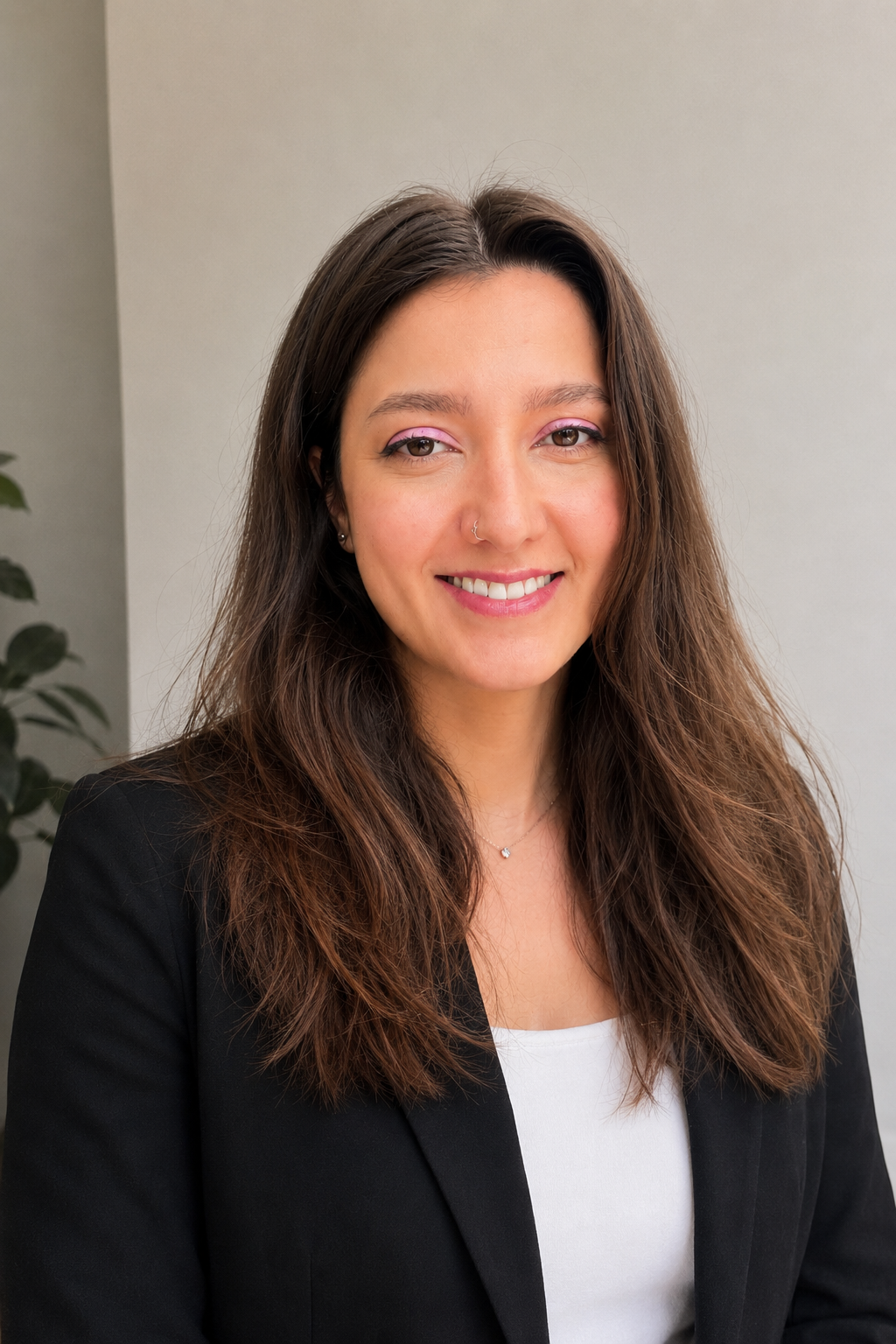
I've always been interested in how things
come together — images, ideas, people, products.
Before UX, I worked as a digital illustrator in the animation industry — spending years thinking about how a color, a small detail, or the way something is framed can completely change how a person feels. That background still shapes how I work today.
It started with making images, moved through visual storytelling, and eventually became a way of thinking about how people use things.
01
Visual Foundations
Art taught me to look closely — at composition, proportion, color, contrast, and the small details that change how something feels.
Before I learned to solve problems, I
learned to notice them.
Aa
ProportionContrastRhythm
02
DigitalIllustration
Illustration turned observation into communication. Working in animation, I spent years thinking about how a detail, a color, or a single frame could completely change how someone feels — and how to guide that feeling with intention.
Illustration taught me that clarity is
something you design, not something you hope for.
03
Product Design
Over time, I wanted to use those skills in a more interactive way — to design things people could actually move through, use, question, and connect with. That curiosity brought me to UX. Product design gave those instincts structure, adding research and systems to turn visual thinking into real experiences.
Product design gave structure to
instincts I already trusted.
Notes
Wireframe
Flow
[Product Design — Final Interface]
The instincts are the same ones art gave me.I just have more tools to work with now.
How I Think
Design is rarely about adding more — it's about understanding what matters most.
UX sits right between creativity and problem-solving. I like thinking about how people behave, where they get confused, and what makes something feel effortless — and how design can make an experience clearer, warmer, and more meaningful. A few principles guide how I approach every project.
01
Clarity over decoration
An interface shouldn't compete for attention. When something is truly clear, people move forward without having to stop and think.
02
Design for real people
Assumptions rarely survive contact with real behavior. I trust research over guesswork to understand what people really need.
03
Systems create consistency
A strong system isn't a constraint — it's what makes real iteration possible. When decisions repeat, products get easier to improve.
04
Personality in the details
Interfaces that feel human are the ones people remember. A little warmth goes a long way, as long as it never gets in the way of the work.
Learning & Growth
Every project has been an opportunity to learn something new.
I'm early in my product design career, and I've been deliberate about it. Structured programs, hands-on projects, and the habit of reflecting on what worked have shaped how I think and work today.
Education
01
UX/UI Design Bootcamp
Nexa Land Design School
02
Google UX Design Certificate
Google · Coursera
03
Digital Illustration
Marz Animation Studio
04
Academic Drawing & Painting
Inverse Art & Design School
From Learning to Making
Travel Planning Platform
Pockigo
Learned how user research changes product decisions — and how much gets lost when you skip it.
Website Redesign
Saving Faces
Learned how simplifying a booking flow can reduce friction more than any visual change.
Personal Project
This Portfolio
Learned that designing for yourself is often the hardest design challenge — every decision has to be both intentional and honest.
I'm still learning and growing.
I bring with me a strong visual eye, a love for storytelling, and a thoughtful approach to designing for real people. Some of the best lessons happen outside the screen.
Good design comes from paying attention everywhere.
What happens on screen is shaped by what happens off it. These are the places, people, and practices that quietly taught me how to think, observe, and design.
Patience
Learned from cats, who never rush the right moment. Good design shouldn't either.
People
Learned from psychology, because every interface is ultimately designed for the human mind.
Patterns
Learned from nature, where every form exists for a reason—not decoration.
Iteration
Learned from cooking, where tasting, adjusting, and trying again always beats perfection.
Systems
Learned from LEGO, where creativity grows because every piece belongs to a system.
Curiosity
Learned from travel, where unfamiliar places teach you to notice before you judge.
Rhythm
Learned from music, where rhythm makes complexity feel effortless. Great interfaces do the same.
Detail
Learned from craft, where slowing down often produces the best work.